Osteoarthritis 101
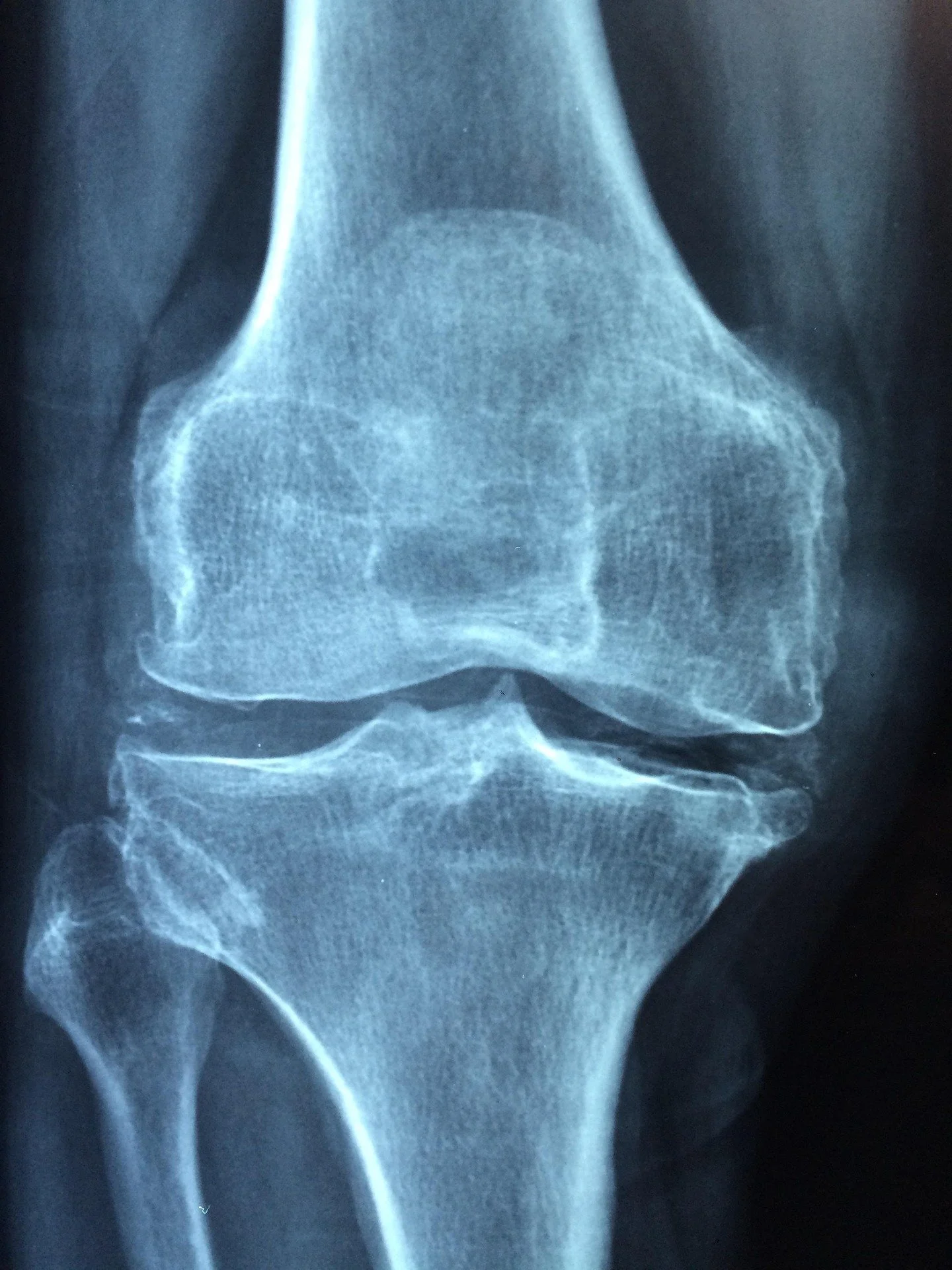
What is Osteoarthritis?
Osteoarthritis (OA) is a condition that can affect any joint in the body. A joint is a junction point where two bones meet. These bones are covered with a layer of cartilage that acts like a smooth protective surface or “bumper”.
When osteoarthritis occurs, this cartilage has begun to wear away or thin progressively. This can lead to pain, as the nerves within the bones are more exposed to the forces applied through the joints.
Symptoms
While not everyone has the same symptoms, these are most common:
Joints stiffness lasting less than 30-60 minutes
Joint pain with particular movements/activities
Swelling in the affected joint
Loss of joint movement
You may notice that symptoms are often worse by the end of the day.
Common causes of OA
Age – this does not cause OA, but it does become more prevalent as we get older
Obesity – extra weight places more forces through weight bearing joints
Previous injury or surgery – these can leave lasting damage within the joint
Other types of Arthritis – chronic inflammation can lead to quicker erosion of cartilage
Heredity – congenital causes for how your bones fit together (scoliosis, hip dysplasia etc.), may make you more susceptible to developing OA later in life
There is no cure for OA, which may seem discouraging, but there are many things that can be done to try to slow the progression of Osteoarthritis and manage your symptoms.
Management of OA
A team of health care practitioners such as your family doctor, physiotherapist, and occupational therapist can help you develop the skills to address your OA symptoms. Self-management often requires a multimodal approach including pain management, activity modification, bracing (if appropriate), healthy weight management and developing a personalized exercise program.
Let’s get started managing your osteoarthritis and return to the activities you love. Contact us at Melanie Soer Physiotherapy to book an appointment!